06.06.26 10:44 AM
Blog tagged as logburners
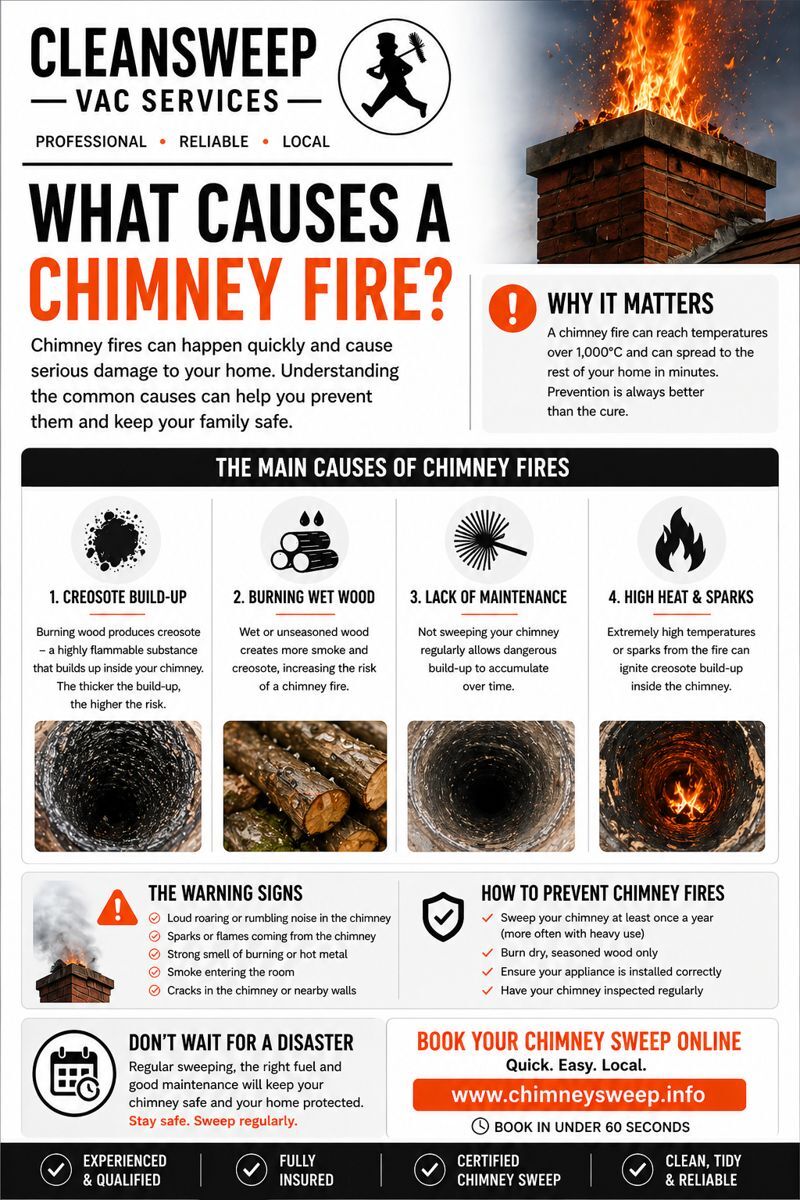
A chimney fire can exceed **1,000°C** and spread through a home in minutes. Regular sweeping, proper fuel, and routine inspections are the best ways to keep your chimney safe and prevent costly damage.
03.06.26 02:40 PM
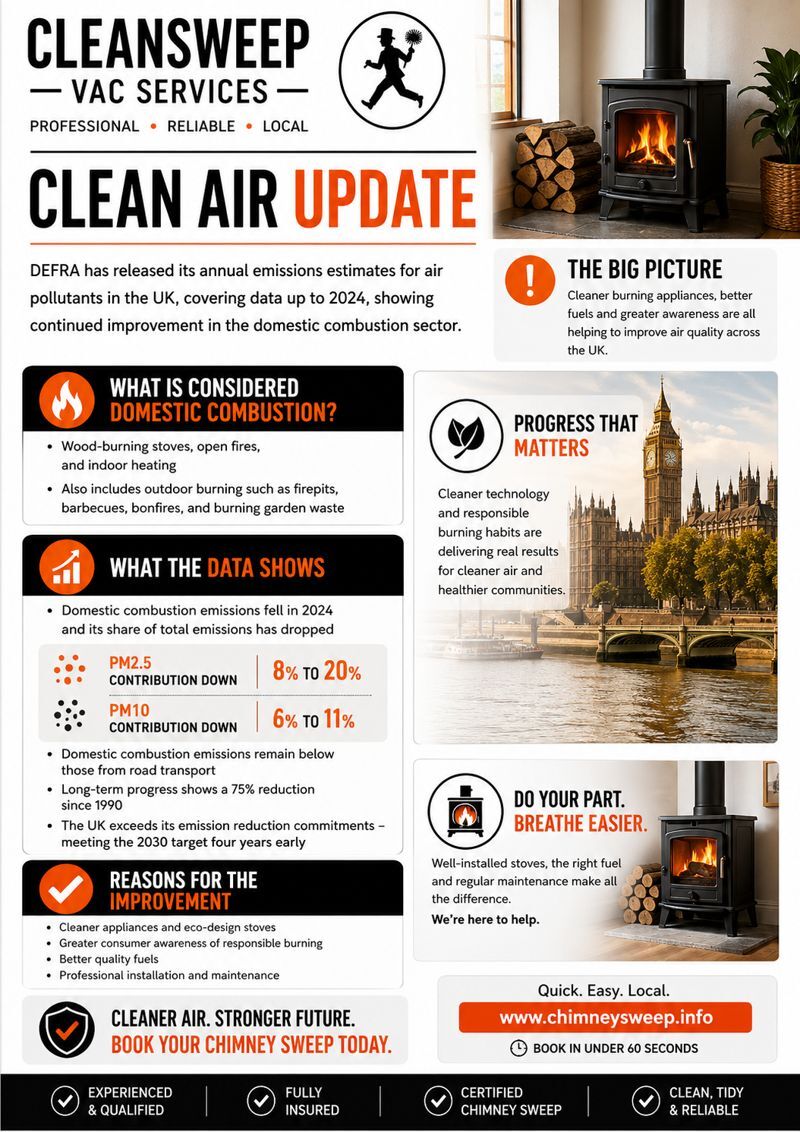
Modern stoves, quality fuels, and regular chimney sweeping help households heat their homes efficiently while minimising emissions. By maintaining your appliance and burning the right fuel, you can enjoy the warmth of a real fire while contributing to cleaner air for everyone.
02.06.26 08:00 PM
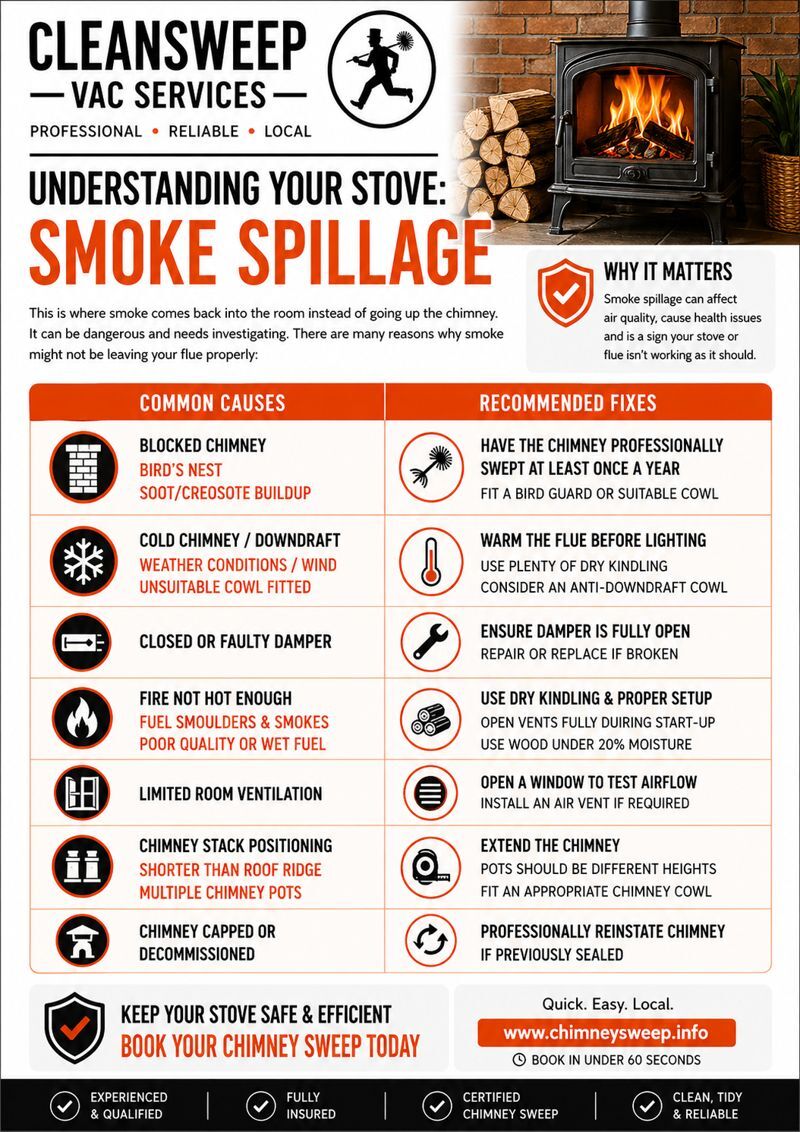
Smoke spillage is when smoke comes back into the room instead of going up the chimney. This can affect air quality and indicates the stove or flue or chimney is not working correctly. It may set off your carbon monoxide alarm.
28.05.26 11:03 AM
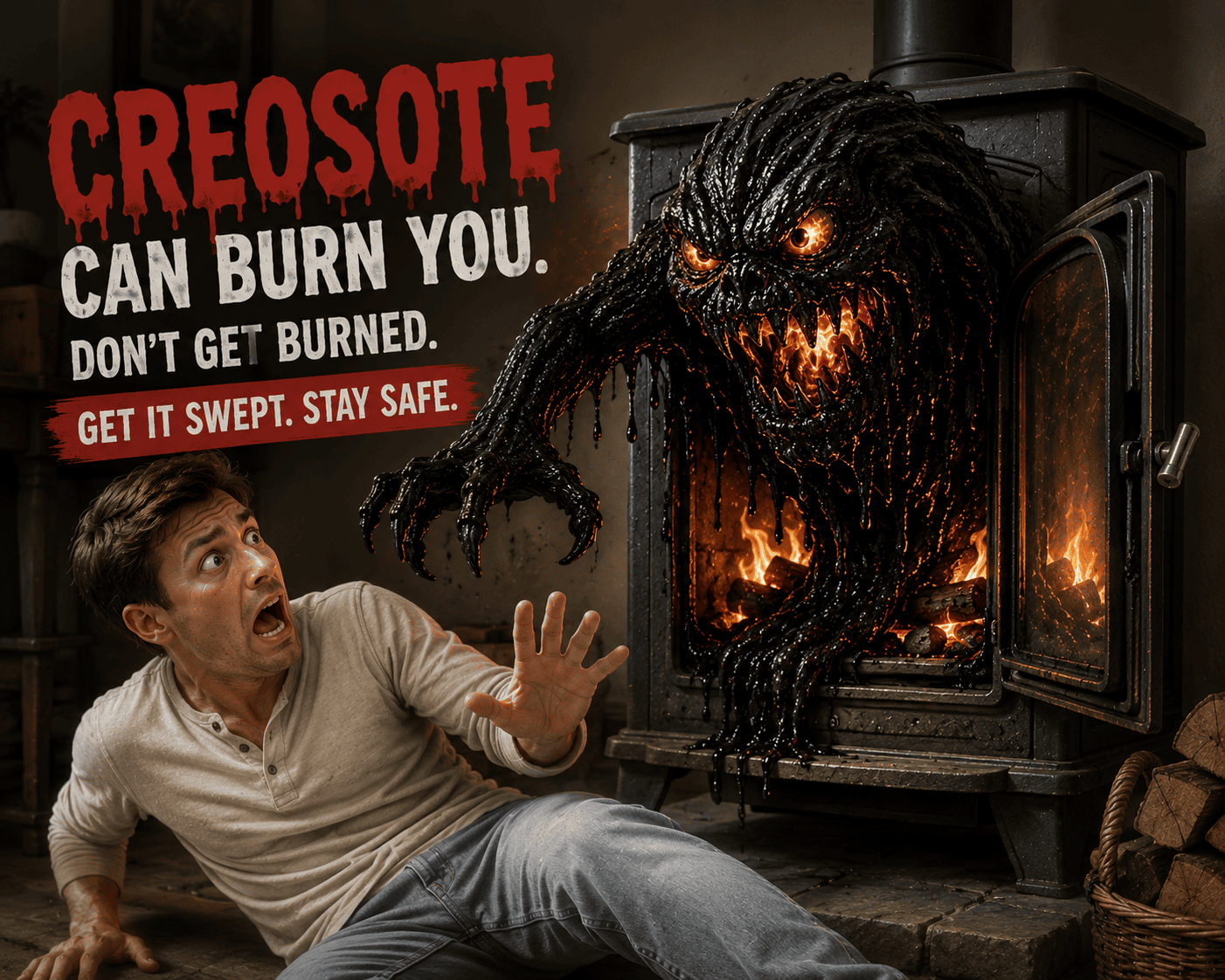
Creosote is a sticky mix of tar, soot, and condensation that forms inside chimney liners when wood burns. It is highly flammable and one of the main causes of chimney fires.
26.05.26 11:00 AM
Categories
Tags
- Sample
- CO2
- carbon released
- logburners
- multifuel stoves
- wood burners
- cracked
- firebricks
- stove liner bricks
- vermiculite
- chimney draw
- backdraft
- chimney
- downdraft
- reverse draw
- smoke
- bird guard
- birds nest
- capping cowl
- cowl fitting
- CO alarm
- carbon monoxide
- fumes
- gases
- ceramic glass
- dirty
- glass
- logburner glass
- chimney sweep
- creosote
- mistakes
- damage
- fuel
- acid
- chimney fire
- chimney problem
- corrosion
- damp
- flexible liner
- ash caddy
- moisture meter
- stove pipe thermometer
- map
- sweep area
- green wood
- house fire
- unseasoned logs
- wet wood
- fitting
- placement
- poisoning
- slumbering
- log
- logburner
- multifuel stove
- rope seal
- woodburning stove
- liner damage
- cracks
- smokeless coal
- ban
- clean air
- pollution
- chim
- chimn
- open fires
- chamber
- logburner installation
- mist coat
- building regulations
- planning permission
